
Eco-Friendly Appliances for Your Home: A Guide to Sustainable Living
Wed Jul 08 2026
- Energy Efficiency
Creating a more sustainable home doesn't always require major renovations or expensive solar installations. Sometimes, the biggest impact comes from replacing the appliances you use every day. Modern eco-friendly appliances are designed to consume less electricity and water, reduce waste, and provide long-term value without sacrificing performance. Whether you're remodeling your kitchen or replacing an aging washer, choosing sustainable home appliances can benefit both your household and the environment.
Many homeowners assume that eco-friendly simply means buying ENERGY STAR® appliances, but sustainability goes beyond energy efficiency alone. Durable construction, water conservation, recyclable materials, and longer product lifespans all contribute to an appliance's environmental impact. Understanding these factors can help you make purchasing decisions that align with your budget and your sustainability goals.
In this guide, we'll explain what makes an appliance eco-friendly, explore the features that matter most, and highlight practical ways to create a more environmentally responsible home. We'll also discuss how ENERGY STAR certification fits into the equation and why it's only one piece of choosing appliances that save energy.
Key Takeaways: Eco-Friendly Appliances for Your Home
-
Eco-friendly appliances reduce energy consumption, water usage, and long-term environmental impact.
-
ENERGY STAR-certified appliances meet strict efficiency standards established by the U.S. Environmental Protection Agency (EPA).
-
Sustainable home appliances are designed for durability, efficient performance, and responsible resource use, not just lower electricity consumption.
-
Refrigerators, dishwashers, laundry appliances, and cooking appliances all offer environmentally friendly options that can lower operating costs.
-
Choosing the right appliance involves considering efficiency ratings, expected lifespan, repairability, and household needs rather than price alone.
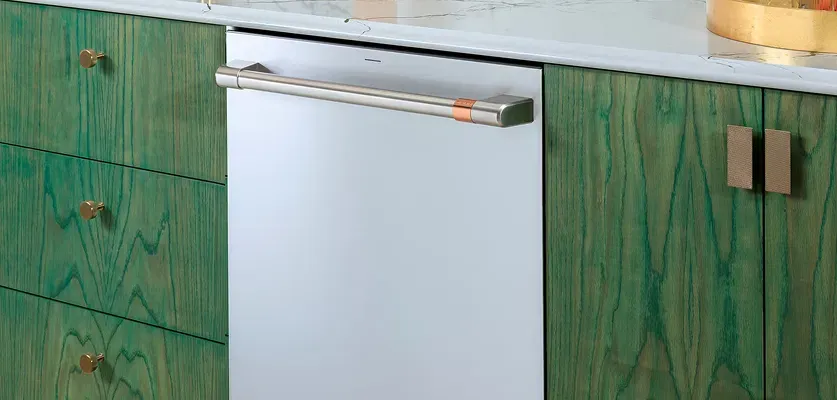
What Makes an Appliance Eco-Friendly?
An eco-friendly appliance is designed to minimize its environmental impact throughout its entire lifecycle. While energy efficiency is an important component, sustainability extends much further than simply using less electricity.
Manufacturers today are investing in improved insulation, advanced compressors, variable-speed motors, intelligent sensors, and more efficient heating elements that help appliances perform better while consuming fewer natural resources. Many also prioritize recyclable materials, environmentally responsible manufacturing processes, and designs that increase product longevity.
Another important characteristic of sustainable home appliances is durability. Replacing an appliance every eight to ten years creates significantly more waste than owning one that performs reliably for fifteen years or longer. Longer-lasting products reduce manufacturing demand, decrease landfill waste, and lower the overall environmental footprint associated with replacement.
Ultimately, an eco-friendly appliance balances performance, efficiency, longevity, and responsible manufacturing practices to reduce its impact over many years of use.
Why Sustainable Home Appliances Matter
Household appliances account for a significant portion of residential energy consumption. Refrigerators operate around the clock, laundry appliances are used multiple times each week, and cooking appliances, dishwashers, and freezers all contribute to monthly utility bills.
Choosing appliances that save energy not only helps reduce household expenses but also lessens demand on power grids and decreases greenhouse gas emissions associated with electricity generation.
According to the U.S. Environmental Protection Agency, products that earn the ENERGY STAR certification have helped American families save more than $500 billion in energy costs since 1992 while preventing approximately 4 billion metric tons of greenhouse gas emissions. These savings demonstrate how individual purchasing decisions can collectively create meaningful environmental benefits.
In addition to reducing electricity consumption, many modern appliances also use significantly less water. Advanced dishwashers and high-efficiency washing machines clean effectively while using fewer gallons per cycle than older models, helping homeowners conserve another valuable natural resource.
For homeowners planning a kitchen or laundry room update, sustainability should be viewed as a long-term investment. Lower operating costs, improved efficiency, and reduced environmental impact continue to provide value long after the initial purchase.
Understanding ENERGY STAR Certification
When shopping for energy-efficient appliances, you'll likely encounter the familiar blue ENERGY STAR label. Although many consumers recognize the logo, fewer understand what it actually represents.
ENERGY STAR is a voluntary certification program administered by the U.S. Environmental Protection Agency. Products earning the label must meet rigorous efficiency requirements established through independent testing. These standards ensure certified appliances use less energy than conventional models while maintaining comparable performance.
Importantly, ENERGY STAR certification does not indicate that an appliance is "environmentally perfect." Instead, it identifies products that perform significantly better than minimum federal efficiency requirements.
Many of today's refrigerators, dishwashers, clothes washers, dryers, and other household appliances carry ENERGY STAR certification, making it easier for shoppers to identify products designed to reduce long-term energy consumption.
According to ENERGY STAR, the average household can save approximately $450 annually on utility bills by choosing ENERGY STAR-certified products throughout the home. While actual savings vary depending on household size and usage habits, these certifications provide an excellent starting point for environmentally conscious buyers.
For a more detailed explanation of how certification works and what the label means, read ENERGY STAR Appliances: A Clear Guide for Buyers.
Eco-Friendly Refrigerators
Refrigerators are one of the few household appliances that operate continuously, making them one of the largest contributors to residential electricity use. Upgrading an older refrigerator to a newer, energy-efficient model can significantly reduce annual energy consumption while improving food preservation.
Modern refrigerators incorporate features such as high-efficiency compressors, improved insulation, LED lighting, adaptive defrost systems, and variable-speed cooling technologies. These innovations allow appliances to respond to changing cooling demands rather than operating at maximum output continuously.
Many newer models also include dual cooling systems that independently regulate refrigerator and freezer compartments. Besides helping preserve food freshness, these systems improve efficiency by maintaining more consistent temperatures and reducing unnecessary compressor cycling.
When shopping for a refrigerator, homeowners should look beyond capacity and appearance. Comparing annual energy consumption, ENERGY STAR certification, interior organization, and expected lifespan provides a more complete picture of the appliance's long-term sustainability.
Eco-Friendly Laundry Appliances
Laundry appliances have seen some of the largest efficiency improvements over the past decade. Today's high-efficiency washing machines use advanced sensors that automatically adjust water levels based on load size, helping households reduce both water and energy consumption without compromising cleaning performance.
Front-load washers generally require less water than traditional top-load models because they rely on tumbling action rather than filling the entire tub. Many also spin clothing at higher speeds, extracting more moisture before garments enter the dryer. This reduces drying time and lowers overall energy use across the entire laundry process.
Dryers have also become more efficient through improved moisture sensors that automatically stop cycles once clothes are dry. Rather than operating for a preset amount of time, these systems prevent overdrying, helping save electricity while reducing wear on fabrics.
Choosing matching high-efficiency laundry appliances can create additional savings over time by improving workflow and reducing overall resource consumption. For households that do multiple loads each week, these incremental improvements can add up to meaningful reductions in annual utility costs.
Eco-Friendly Dishwashers
Dishwashers have become one of the most efficient ways to clean dishes, often using less water than washing by hand. While many people still assume handwashing conserves resources, modern dishwashers are specifically engineered to maximize cleaning performance while minimizing water and energy consumption.
Today's eco-friendly dishwashers incorporate soil sensors that detect how dirty dishes are and automatically adjust water usage and cycle length. Advanced filtration systems continually reuse clean wash water during the cycle, while improved spray arm designs distribute water more effectively across every rack. Combined with efficient drying systems, these innovations allow homeowners to achieve excellent cleaning results while using fewer natural resources.
Many ENERGY STAR-certified dishwashers also include eco cycles designed for lightly soiled loads. These settings reduce water temperatures and electricity usage without sacrificing cleaning performance for everyday dishes. When used consistently, these cycles can contribute to noticeable utility savings over the life of the appliance.
Another sustainability benefit often overlooked is durability. Choosing a well-built dishwasher that performs reliably for many years reduces waste associated with premature appliance replacement, making longevity another important factor when evaluating eco-friendly appliances.
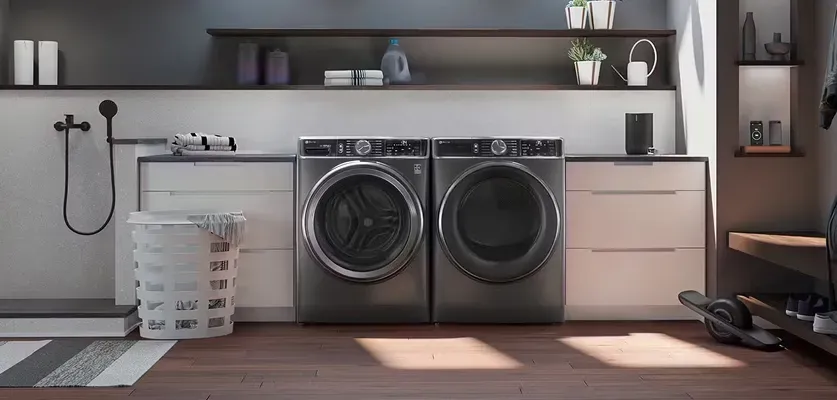
Eco-Friendly Cooking Appliances
Cooking appliances may not operate as frequently as refrigerators, but they still play an important role in creating a more sustainable home. Advances in cooking technology have improved energy efficiency while also enhancing cooking precision and convenience.
Induction cooktops are one of the most energy-efficient cooking options available today because they transfer heat directly to cookware rather than heating the surrounding air. This allows meals to cook faster while reducing wasted energy. Induction cooking also offers precise temperature control, helping reduce overcooking and unnecessary energy consumption.
Modern wall ovens and ranges have also become more efficient through improved insulation, convection technology, and better temperature management. Convection ovens circulate heated air throughout the cavity, allowing food to cook more evenly and often in less time than conventional baking methods. Shorter cooking times can translate into lower overall energy usage while delivering consistent cooking results.
For homeowners replacing older cooking appliances, selecting newer energy-efficient models can improve both kitchen performance and long-term operating costs. Pairing efficient cooking appliances with thoughtful cooking habits, such as using appropriately sized cookware and minimizing unnecessary preheating, can further reduce household energy use.
Sustainability Goes Beyond Energy Efficiency
While energy consumption receives much of the attention, truly sustainable home appliances should also be evaluated based on factors that extend beyond utility bills.
One of the most important considerations is durability. Appliances designed to operate reliably for many years require fewer replacements, reducing manufacturing demand, transportation emissions, and landfill waste. Investing in quality products often produces environmental benefits that extend well beyond energy savings alone.
Repairability is another important consideration. Manufacturers that continue to support replacement parts and service options help extend product life, reducing unnecessary disposal. Homeowners who maintain their appliances through routine cleaning and preventative care can often add several years to an appliance's lifespan.
Water efficiency should also be part of every purchasing decision. High-efficiency clothes washers and dishwashers use advanced sensors and optimized wash systems to reduce water consumption while still delivering excellent cleaning performance. In areas where water conservation is especially important, these improvements can have a meaningful environmental impact.
Finally, selecting appliances that appropriately match your household's needs contributes to sustainability. Purchasing an oversized refrigerator, range, or laundry appliance can result in unnecessary energy and water usage over many years. Choosing the right capacity ensures your appliances operate as efficiently as possible while supporting your daily routine.
Tips for Choosing Eco-Friendly Appliances
Shopping for sustainable home appliances becomes much easier when you know what features to prioritize. While every household has different needs, several best practices can help you make informed purchasing decisions.
Start by looking for ENERGY STAR certification whenever it's available. Although certification isn't the only indicator of sustainability, it provides independent verification that an appliance meets strict energy-efficiency requirements established by the U.S. Environmental Protection Agency.
Next, compare annual energy consumption rather than focusing solely on purchase price. A slightly higher upfront investment may produce meaningful savings over the appliance's lifespan through reduced utility costs.
It's also important to evaluate the appliance's expected longevity, warranty coverage, and repair support. A durable appliance that operates reliably for many years often provides a lower overall environmental impact than replacing less expensive models more frequently.
Finally, think about how your household actually uses each appliance. Choosing the correct size, capacity, and features helps ensure you're purchasing an appliance that fits your lifestyle rather than paying for capabilities you'll rarely use.
Small Changes Can Make a Big Difference
Creating a more sustainable home doesn't happen overnight. Instead, it's the result of making thoughtful purchasing decisions over time.
Replacing older appliances with more efficient models, choosing products built to last, and practicing responsible appliance maintenance can collectively reduce your household's environmental impact while lowering long-term operating costs. Even replacing one major appliance can contribute to measurable reductions in electricity or water usage over its lifetime.
Perhaps most importantly, eco-friendly appliances demonstrate that sustainability and performance no longer have to be competing priorities. Today's appliances are designed to deliver exceptional cleaning, cooking, and food preservation while using fewer resources than previous generations.
As technology continues to advance, homeowners have more opportunities than ever to build kitchens and laundry rooms that support both their families and the environment.
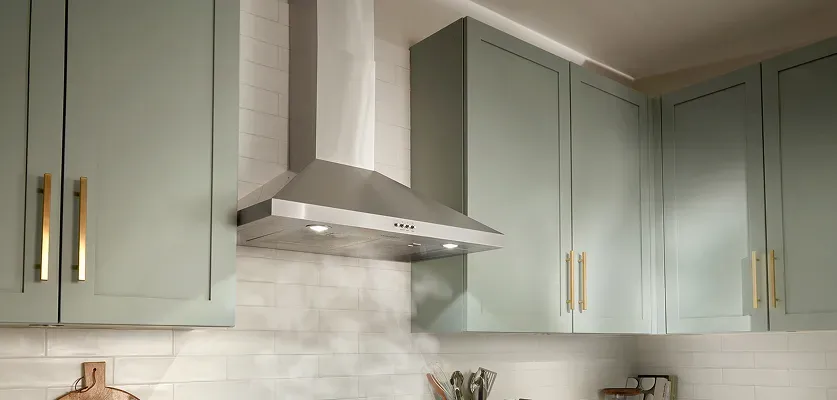
Make Sustainable Appliance Choices at McKinney's Appliance
Whether you're replacing an aging refrigerator, upgrading your laundry room, or planning a complete kitchen remodel, choosing eco-friendly appliances is an investment in your home's future. At McKinney's Appliance, our appliance experts can help you compare energy-efficient models, understand ENERGY STAR certification, and select products that align with your household's needs and sustainability goals.
Visit McKinney’s Appliance today at one of our Olympia appliance store locations to explore refrigerators, cooking appliances, dishwashers, and laundry products designed to deliver outstanding performance while helping reduce energy and water consumption.
Check out our rebates options to help you find the right home appliances with peace of mind.
Related readings from our blog:
FAQs: Eco-Friendly Appliances for Your Home
What are eco-friendly appliances?
Eco-friendly appliances are designed to reduce their environmental impact by using less energy, less water, or more sustainable materials throughout their lifespan. Many also feature durable construction that helps minimize waste by lasting longer than older or less efficient models. While ENERGY STAR certification is a strong indicator of efficiency, other factors such as repairability, longevity, and responsible manufacturing also contribute to an appliance's sustainability. Choosing eco-friendly appliances can benefit both the environment and your household budget.
Are ENERGY STAR appliances always the most environmentally friendly?
ENERGY STAR-certified appliances are among the most energy-efficient products available, but certification is only one part of sustainability. An appliance's expected lifespan, water usage, repairability, and overall durability also influence its environmental impact. Choosing a long-lasting appliance that meets your household's needs can be just as important as selecting one with high efficiency ratings. Looking at the complete picture helps homeowners make more informed purchasing decisions.
Which household appliances use the most energy?
Refrigerators, clothes dryers, water heaters, cooking appliances, and older washing machines are typically among the largest energy users in many homes. Because refrigerators operate continuously, upgrading to a newer, energy-efficient model can have a significant impact on annual electricity consumption. Laundry appliances and cooking products also contribute substantially to utility bills depending on household usage patterns. Replacing aging appliances with modern, efficient models can often reduce both energy consumption and operating costs.
Do eco-friendly appliances really save money?
In many cases, yes. Eco-friendly appliances are designed to use fewer resources, which can lower monthly electricity and water bills over time. Although they may cost more initially, the long-term utility savings and potential reduction in maintenance expenses often offset the higher purchase price. The exact amount you'll save depends on the appliance, your usage habits, and local utility rates.
How can I make my home more sustainable besides buying new appliances?
Upgrading appliances is just one part of creating a more sustainable home. Regular appliance maintenance, running full dishwasher and laundry loads, choosing energy-saving settings, and properly maintaining refrigerator temperatures can all improve efficiency. Simple habits like cleaning dryer vents, replacing refrigerator water filters, and using cookware that matches burner size also reduce wasted energy. Combining efficient appliances with smart everyday practices delivers the greatest long-term environmental benefits.
Related Articles