
Your Complete Guide to Smart Appliances
Mon Apr 20 2026
Smart appliances are transforming how homeowners in Olympia interact with their kitchens and laundry rooms. If you’ve ever wondered what are smart home appliances or whether upgrading is worth it, this guide breaks it all down in a simple, practical way.
From refrigerators that notify you when the door is open to washers that adjust cycles automatically, today’s connected technology is designed to improve convenience, efficiency, and performance. But how do smart appliances actually work, and more importantly, are they worth the investment?
Key Takeaways: Smart Appliances Explained
-
Smart appliances connect to Wi-Fi, allowing remote control, automation, and real-time monitoring
-
They use sensors and data to optimize performance, saving energy and reducing waste
-
Smart appliances can lower utility costs over time, especially when used efficiently
-
The biggest benefits are convenience, automation, and maintenance alerts
-
Smart appliances are worth it for many homeowners, but depend on lifestyle and usage
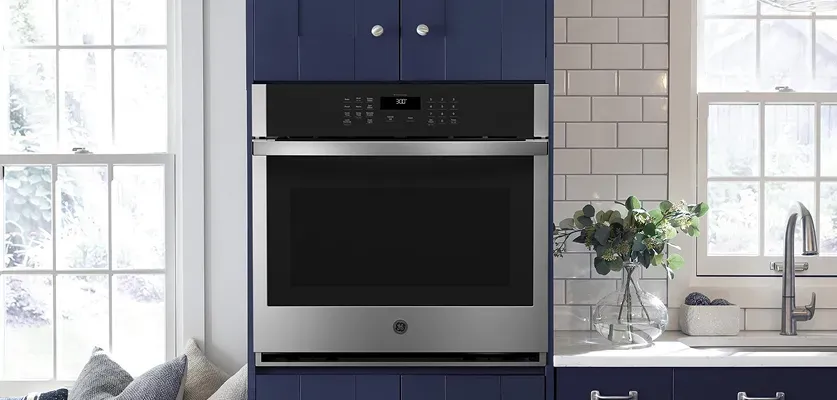
What Are Smart Home Appliances?
Smart appliances are household appliances equipped with Wi-Fi connectivity, sensors, and software that allow them to communicate with your phone, other devices, or even utility providers.
Unlike traditional appliances, smart models can be controlled remotely through apps, voice assistants, or home automation systems.
Common smart appliance categories include:
These appliances are part of the broader “smart home” ecosystem, where devices work together to create a more efficient and connected home.
How Do Smart Appliances Work?
Understanding how smart appliances work helps explain why they’ve become so popular.
Smart appliances rely on three main components:
1. Connectivity
Smart appliances connect to your home’s Wi-Fi network, allowing you to control and monitor them remotely through a smartphone or voice assistant.
2. Sensors and Automation
Built-in sensors detect conditions like load size, temperature, or moisture levels and automatically adjust performance. For example:
-
Washers adjust water levels based on load size
-
Refrigerators regulate cooling based on usage
-
Dryers stop automatically when clothes are dry
This automation helps improve efficiency and performance.
3. Data and Smart Controls
Smart appliances collect and analyze usage data to optimize performance and provide insights. Many also send alerts, such as:
-
Maintenance reminders
-
Cycle completion notifications
-
Energy usage reports
This combination of connectivity, sensors, and data is what makes smart appliances “smart.”
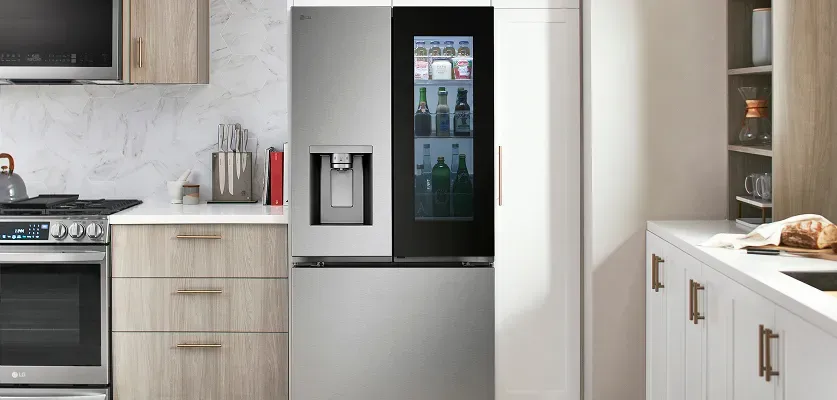
Key Features of Smart Appliances
Modern smart appliances offer a wide range of features designed to simplify everyday tasks while improving efficiency and performance. These features go beyond convenience, they actively enhance how appliances operate in your home.
Remote Control and Monitoring
You can start, stop, or monitor appliances from your smartphone, even when you’re not home. This is especially useful for busy households, allowing you to manage laundry cycles, preheat your oven, or check refrigerator settings from anywhere.
Remote access also gives homeowners greater flexibility and control, helping ensure appliances are used efficiently and safely.
Voice Controlled Appliances
Many smart appliances integrate with voice assistants like Alexa or Google Assistant, allowing hands-free control. This can be particularly helpful when cooking or multitasking, as you can adjust settings without touching controls.
Voice control also improves accessibility, making it easier for users of all ages to interact with appliances in a simple and intuitive way.
Automation and Scheduling
Smart appliances can run automatically based on your schedule, such as starting a dishwasher during off-peak hours or running a dryer cycle while you’re away.
This level of automation not only saves time but also helps optimize energy usage, allowing appliances to operate when it’s most cost-effective.
Alerts and Notifications
Get notified when:
-
A cycle finishes
-
A door is left open
-
Maintenance is needed
These real-time alerts help prevent issues before they become bigger problems, such as spoiled food or incomplete laundry cycles. They also improve overall convenience by keeping you informed without needing to check appliances manually.
Energy Optimization
Smart appliances adjust energy usage in real time, helping reduce waste and improve efficiency. By using sensors and data, they ensure that only the necessary amount of energy and water is used for each task.
Over time, this optimization can lead to lower utility bills and a more environmentally friendly household, making smart appliances a practical long-term investment and offer sustainable options for the eco-conscious Olympia, WA resident.
How Smart Appliances Save Energy for Olympia Homeowners
One of the biggest benefits of smart appliances is their ability to reduce energy consumption without sacrificing performance. By combining sensors, automation, and real-time data, these appliances are designed to operate more efficiently than traditional models.
Smarter Energy Usage
Smart appliances automatically adjust cycles, temperature, and water usage based on real-time conditions. For example, a smart washer can detect load size and fabric type, using only the necessary amount of water and energy.
This level of precision helps eliminate waste, ensuring that appliances are not overusing resources for smaller or lighter loads. Over time, these small adjustments can lead to meaningful energy savings.
Off-Peak Scheduling
You can schedule appliances to run when electricity rates are lower, such as late at night or early in the morning. This feature is especially useful in areas with time-of-use energy pricing.
By shifting usage to off-peak hours, homeowners in Olympia can reduce strain on the Washington electrical grid and lower their monthly energy costs without changing their daily routines.
Reduced Water Waste
Smart washers and dishwashers use only the water needed for each cycle, minimizing unnecessary usage. Advanced sensors determine the exact amount of water required based on load size and soil level.
This not only conserves water but also improves cleaning efficiency, ensuring better results while using fewer resources.
Preventative Maintenance
Smart alerts help catch issues early, reducing wear and extending appliance lifespan. For example, notifications about clogged filters, unbalanced loads, or ventilation issues can prevent appliances from working harder than necessary.
By maintaining optimal performance, appliances use less energy over time and avoid costly repairs or inefficiencies caused by neglect.
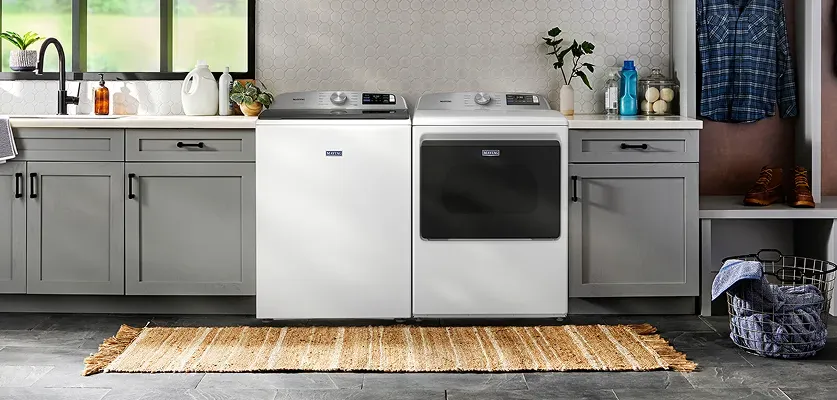
Smart Appliances vs Regular Appliances
A common question Olympia homeowners ask is: How do smart appliances compare to traditional models?
Smart Appliances
-
Offer remote control and automation
-
Adjust performance automatically
-
Provide alerts and diagnostics
-
Improve energy efficiency
Regular Appliances
-
Require manual operation
-
Use fixed settings
-
Provide limited feedback
-
Typically have lower upfront cost
Smart appliances offer more convenience and efficiency, while traditional appliances remain simpler and more affordable.
Smart Appliances for Specific Needs in Olympia,WA
Different smart appliances offer unique benefits for Olympia residents depending on how you use them.
Best Smart Refrigerators
-
Interior cameras to check contents remotely
-
Temperature control zones
-
Door alerts and energy monitoring
Smart Washer Benefits
-
Load sensing to optimize water use
-
Cycle customization based on fabric type
-
Alerts to prevent forgotten loads
Smart Oven Features
-
Remote preheating
-
Voice control cooking
-
Precision temperature settings
Wi-Fi Connected Appliances for Busy Homes
-
Automation for daily routines
-
Remote troubleshooting
-
Seamless integration with other smart devices
Are Smart Appliances Worth It?
One of the most asked questions by Olympia homeowners is: are smart appliances worth it?
When Smart Appliances Are Worth It
-
You want convenience and automation
-
You use appliances frequently
-
You want to reduce energy usage
-
You value smart home integration
When They May Not Be Necessary
-
You prefer simple, manual controls
-
You rarely use advanced features
-
You’re focused on upfront cost savings
Smart appliances can save money over time through energy efficiency and reduced repairs, but the real value depends on how you use them.
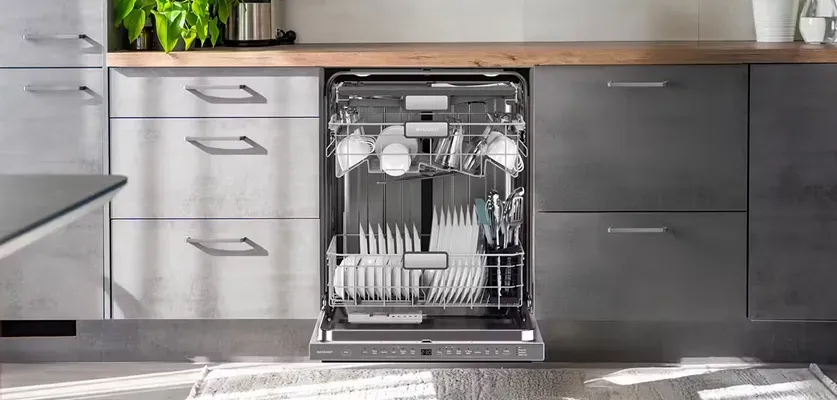
Should You Upgrade to Smart Appliances?
Smart appliances are no longer just a luxury, they’re becoming a practical upgrade for many households. With features like remote control, automation, and energy optimization, they offer real benefits beyond convenience.
If you’re looking to modernize your home, improve efficiency, and simplify daily routines, smart appliances are worth considering. However, the best choice always depends on your lifestyle, budget, and how much you’ll actually use the technology.
To explore smart appliances for your home, visit McKinney’s Appliance at one of our Olympia appliance store locations and compare the latest connected models across kitchen and laundry categories. Explore our appliance financing and rebates options to help you find the right home appliances with confidence.
Related readings from our blog:
FAQs: Smart Appliances Explained: Are They Worth It?
What are smart home appliances?
Smart home appliances are connected devices that use Wi-Fi, sensors, and software to allow remote control, automation, and improved efficiency. They can also integrate with other smart home systems for a more connected experience.
How do smart appliances work?
Smart appliances use connectivity, sensors, and data to monitor performance and automate tasks. This allows them to adjust settings in real time and provide alerts or remote control options.
Do smart appliances save energy?
Yes, many smart appliances reduce energy usage by optimizing cycles, scheduling operation during off-peak hours, and automatically adjusting performance. Over time, this can lead to noticeable savings on utility bills.
Are smart appliances worth the cost?
Smart appliances are worth it for homeowners who value convenience, efficiency, and automation. However, the return on investment depends on how often you use their smart features.