
Energy Efficient Appliances: What You Need to Know
Fri Dec 19 2025
- Energy Efficiency
Energy-efficient appliances have become more than just a trend, they’re now a practical choice for homeowners looking to save money, reduce energy consumption, and minimize their environmental footprint. From refrigerators and washers to dishwashers and ovens, modern appliances offer smarter designs that consume less power while delivering high performance.
In this guide, we’ll explore what makes an appliance energy efficient, the benefits of choosing energy-saving models, and how to select the right energy-efficient appliances for your home with expert tips from the pros at McKinney’s Appliance.
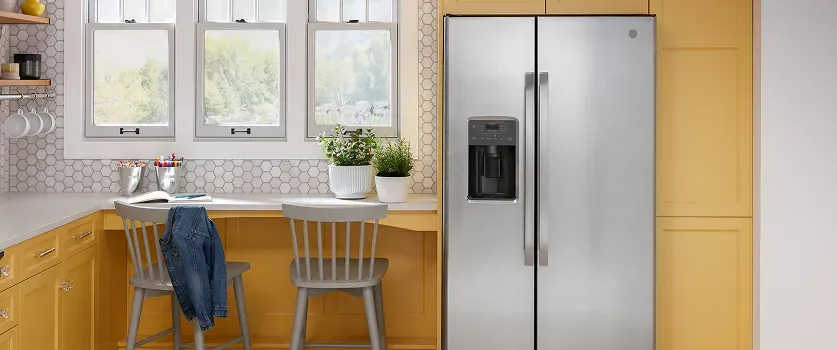
What Does “Energy Efficient” Mean in Appliances?
An energy-efficient appliance is designed to use less electricity, water, or fuel than standard models while still delivering the same or better performance. Many appliances carry the ENERGY STAR® certification, which identifies models meeting strict efficiency standards set by the U.S. Environmental Protection Agency (EPA).
Energy-efficient appliances achieve savings through:
-
Advanced motors and compressors
-
Improved insulation
-
Smart sensors and control systems
-
Optimized water flow or heating cycles
By choosing energy-efficient models, homeowners can reduce utility bills, extend appliance lifespan, and contribute to a more sustainable future.
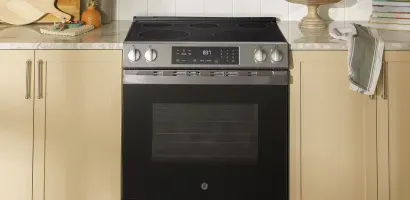
Benefits of Energy-Efficient Appliances
Investing in energy-efficient appliances offers immediate and long-term advantages, including:
Lower Utility Bills
Modern appliances are designed to use electricity, gas, or water more efficiently. For example, an energy-efficient refrigerator or dishwasher can reduce monthly energy usage, saving you hundreds of dollars over the life of the appliance.
Environmental Impact
Using less energy reduces greenhouse gas emissions, helping homeowners lower their carbon footprint. Appliances that minimize water usage, like energy-efficient washers and dishwashers, also conserve this valuable resource.
Improved Performance
Energy efficiency doesn’t mean sacrificing power. Today’s models often outperform older units while consuming fewer resources. Energy-efficient ovens, cooktops, and refrigerators maintain consistent temperatures and deliver reliable results.
Rebates and Incentives
Many energy-efficient appliances qualify for federal, state, or utility company rebates, providing additional savings on your purchase.
Energy Efficiency in Key Appliance Categories
Let’s break down what energy efficiency looks like in different appliance types.
Refrigeration
Refrigerators are one of the biggest energy consumers in any home. Modern energy-efficient models use advanced technology to keep your food fresh while minimizing electricity usage.
Some additional ways energy-efficient refrigerators save power include:
-
Variable-speed compressors: Adjust cooling intensity based on the amount of food inside, reducing unnecessary energy use.
-
Door alarms and smart monitoring: Alerts if a door is left open, preventing cold air loss.
-
Optimized airflow: Multi-airflow systems maintain consistent temperatures throughout the fridge.
-
LED interior lighting: Uses significantly less energy than traditional incandescent bulbs.
Energy-efficient refrigerators also come in different styles to fit your kitchen and lifestyle, including French door, side-by-side, top mount, and bottom freezer models. Choosing the right style can further enhance efficiency. For example, French door refrigerators often minimize cold-air loss because you only open one side at a time.
Laundry Appliances
Washers and dryers are another major area where energy efficiency makes a huge impact. While older appliances can consume a lot of electricity and water, modern units are designed to maximize cleaning performance while using fewer resources.
Additional energy-saving features include:
-
Eco or quick wash cycles: Shorter wash cycles use less water and energy while still cleaning effectively.
-
Load-sensing technology: The washer detects the size of your load and adjusts water and detergent usage accordingly.
-
High-speed spin cycles: Reduce drying time by removing more moisture before clothes reach the dryer.
-
Heat pump or moisture-sensor dryers: Only use heat as needed, preventing over-drying and cutting energy costs.
Energy-efficient laundry appliances also contribute to household convenience. Many high-efficiency washers and dryers are designed for stackable installation, combination units, or include smart features like remote monitoring, helping you optimize energy use and household workflow.
Dishwashers
Modern dishwashers are more efficient than ever, conserving water and electricity while ensuring clean dishes.
Additional energy-saving features to look for:
-
Soil sensors: Detect how dirty dishes are and adjust water and cycle length automatically.
-
Energy-efficient jets: Use high-pressure water streams to clean dishes faster with less energy.
-
Smart cycle options: Eco, half-load, or express cycles let you tailor cleaning to your needs.
-
Internal heating systems: Reduce energy consumption compared to external heating elements.
Energy-efficient dishwashers don’t just save energy, they also save water. Many ENERGY STAR-certified models use fewer gallons per cycle than standard units, helping reduce both utility bills and environmental impact.
Cooking Appliances
Cooking appliances like wall ovens, ranges, and cooktops can also be major energy users, especially in busy households. Modern energy-efficient models focus on reducing cooking time and optimizing heat distribution.
Some key energy-saving features include:
-
Convection ovens: Circulate hot air evenly, allowing for lower cooking temperatures and faster cooking times.
-
Induction cooktops: Heat only the cookware directly, reducing wasted energy and offering precise temperature control.
-
Self-cleaning ovens with energy-saving modes: Use less energy than traditional cleaning cycles.
-
Smart sensors and Wi-Fi controls: Allow you to preheat remotely, monitor cooking progress, and reduce unnecessary energy usage.
Choosing energy-efficient cooking appliances can also improve meal consistency and quality, making them a smart investment for both your wallet and your kitchen performance.
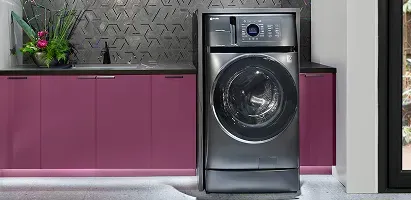
Tips for Maximizing Appliance Energy Efficiency
Even energy-efficient appliances can be optimized further with simple habits:
-
Maintain Appliances Regularly: Clean coils on refrigerators, remove lint from dryers, and descale washers to maintain peak efficiency.
-
Use Smart Settings: Many appliances have eco-modes or sensor-based cycles that adjust energy consumption automatically.
-
Run Full Loads: Washers, dryers, and dishwashers operate more efficiently when fully loaded.
-
Monitor Temperature Settings: Keep your refrigerator at the recommended 37–40°F and freezer at 0°F. For ovens, use convection settings when possible.
-
Upgrade Old Appliances: Replacing outdated units with ENERGY STAR models can save hundreds of dollars over the appliance’s lifespan.
How to Choose the Right Energy-Efficient Appliance for Your Home
When selecting energy-efficient appliances, it’s not just about choosing the model with the ENERGY STAR® logo. The right appliance depends on your household needs, budget, kitchen layout, and lifestyle.
1. Check ENERGY STAR Certification
ENERGY STAR-certified appliances have been independently tested and verified to meet strict efficiency standards. This certification ensures your appliance will save energy while performing at a high level.
2. Review Energy Use Labels
Each appliance includes an EnergyGuide label showing estimated annual electricity use and cost. Compare different models to see which ones deliver the best performance for your energy budget.
3. Match Features to Your Lifestyle
-
Refrigerators: Look for adjustable shelving, humidity-controlled drawers, and smart alerts.
-
Washers/Dryers: Choose high-efficiency models with eco-modes and moisture sensors to avoid over-drying and wasted energy.
-
Dishwashers: Opt for models with soil sensors and half-load cycles to save water and power.
-
Cooking Appliances: Consider convection ovens, induction cooktops, and programmable smart settings for reduced energy use.
4. Consider Appliance Size and Capacity
Oversized appliances may consume more energy than necessary. Choose a size that fits your household needs, whether it’s a compact dishwasher, mid-size refrigerator, or a full-size washer and dryer set.
5. Think About Long-Term Savings
Energy-efficient appliances may have higher upfront costs but can pay for themselves over time through lower utility bills, reduced water usage, and potential rebates or tax incentives.
6. Evaluate Installation and Placement
Proper installation can impact efficiency. For example, refrigerators placed away from heat sources, dryers vented correctly, and ovens properly insulated all perform better and use less energy.
7. Integrate Smart Technology
Smart appliances with Wi-Fi controls, remote monitoring, and adaptive energy features help you optimize energy use in real time and provide insights for long-term savings.

Upgrade to Energy Efficient Appliances with McKinney’s
Upgrading to energy-efficient appliances is a smart way to save money, conserve energy, and enhance your home. McKinney’s Appliance offers a wide range of energy-saving models across refrigeration, laundry, dishwashers, and cooking appliances from top appliance brands in the industry.
Visit McKinney’s Appliance today at one of our Olympia locations to discover the difference a built-in refrigerator can make in your home.
We also offer financing and rebate opportunities to help you find the right appliances with confidence and security.
FAQs: Energy Efficient Appliances: What You Need to Know
What makes an appliance energy efficient?
Energy-efficient appliances are designed to use less electricity, water, or fuel while maintaining performance. Many carry ENERGY STAR certification.
Will energy-efficient appliances save me money?
Yes. They use less power and water, which reduces monthly utility bills. Savings increase with consistent use and smart habits.
Are energy-efficient appliances more expensive?
Upfront costs may be higher, but the long-term savings on energy and potential rebates often offset the initial investment.
How can I tell if my appliance is energy efficient?
Look for ENERGY STAR logos, compare energy use on the EnergyGuide label, and read product specifications.
Do energy-efficient appliances perform as well as standard models?
Absolutely. Modern energy-efficient appliances often outperform older units while consuming less energy.
Related Articles