
Front-Load vs Top-Load Washers: Which Is Better?
Fri Jan 09 2026
- Appliance Comparisons
- Laundry Appliances
Shopping for a new washer is not as simple as it used to be. With more features, larger capacities, and smarter technology, one of the first decisions you will need to make is whether a front-load or top-load washer is the better fit for your home.
At McKinney’s Appliance, we work with homeowners every day who are weighing this exact decision. Each washer style has its own strengths, and the best choice depends on how you do laundry, how much space you have, and what matters most to you in terms of performance and convenience. Below, we take a deeper look at front-load and top-load washers to help you make an informed, confident decision.

Front-Load Washers: What to Know
Front-load washer machines have grown in popularity over the past decade, especially as energy efficiency and fabric care have become top priorities for many households. These washers clean clothes by tumbling them through a small amount of water, allowing the detergent to work more effectively.
Because they rely on gravity rather than a central agitator, front-load washers tend to deliver a more even, thorough clean, particularly for heavily soiled loads.
Pros of Front-Load Washers
Front-load washers offer several advantages that appeal to busy households and those looking for long-term savings.
-
Excellent cleaning performance, especially for tough stains and heavily soiled clothing
-
Uses less water and energy per load, which can help lower utility bills over time
-
Gentler on fabrics, helping clothing maintain its shape and color longer
-
Higher spin speeds remove more moisture, reducing drying time
-
Stackable design options are ideal for smaller laundry rooms or closets
Cons of Front-Load Washers
While front-load washers have many benefits, there are a few considerations to keep in mind.
-
Higher upfront cost compared to many top-load models
-
Wash cycles can take longer due to high-efficiency settings
-
Requires routine care, such as wiping the door gasket and leaving the door open, to prevent moisture buildup and odors
Front-load washers are often a great fit for households that do laundry frequently, wash a variety of fabrics, or want a modern, space-saving laundry setup.
Top-Load Washers: What to Know
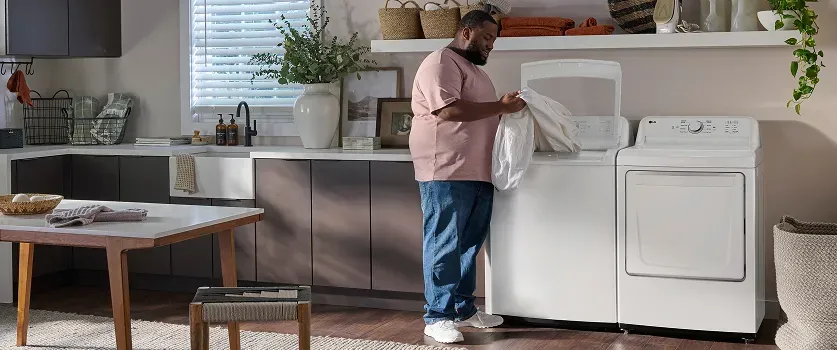
Top-load washers remain a popular choice thanks to their familiar design and ease of use. These machines allow you to load laundry from the top, which many customers find more comfortable and convenient.
Today’s top-load washers fall into two main categories: traditional agitator models and high-efficiency impeller models. Each offers a different washing experience.
Pros of Top-Load Washers
Top-load washers appeal to a wide range of customers for several reasons.
-
Typically more affordable upfront
-
Shorter wash cycles, which can be helpful for busy households
-
Easier to load and unload without bending
-
Many models allow you to add forgotten items mid-cycle
-
Simple controls that are easy to use
Cons of Top-Load Washers
There are a few trade-offs to consider when choosing a top-load washer.
-
Generally use more water, especially traditional agitator models
-
Agitators can be tougher on delicate fabrics
-
Lower spin speeds may leave clothes wetter, increasing drying time
-
Not stackable, which can be limiting in smaller spaces
Top-load washers are often ideal for customers who value speed, simplicity, and a lower upfront investment.
Top-Load vs. Front-Load Washers: How Do They Compare?
Below, we’ve compared the two washing machine types across many different factors to help you choose what is best for your home.
Cleaning Performance
When it comes to cleaning performance, front-load washers are often considered the top performers. Their tumbling action allows detergent and water to circulate more effectively, which helps lift dirt and stains from fabrics.
However, modern top-load washers have improved significantly. High-efficiency top-load models with impellers create powerful water movement that can rival front-load cleaning performance, especially for everyday loads. The key difference often comes down to fabric care, with front-load washers being gentler overall.
Water and Energy Savings Efficiency
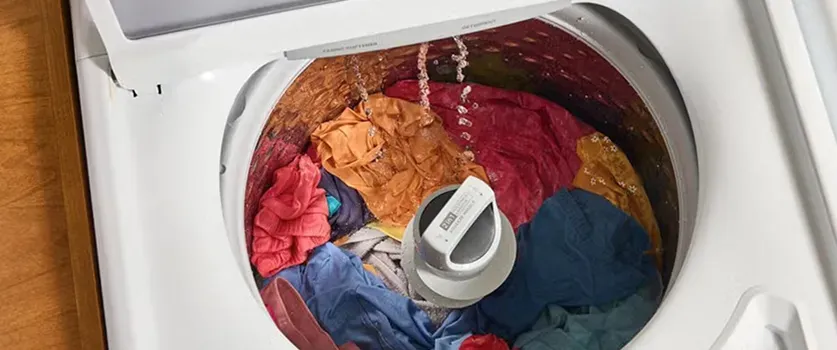
Efficiency is one of the biggest differences between these two washer styles. Front-load washers use significantly less water because clothes are lifted and dropped through a shallow pool rather than fully submerged. This also means less energy is required to heat water.
Top-load washers, particularly traditional agitator models, use more water to cover the load. If efficiency is important but you prefer a top-load design, high-efficiency top-load washers offer a good middle ground by reducing water usage while maintaining convenience.
Capacity and Load Size
Both washer types are available in large-capacity options, but how that space is used differs. Front-load washers typically offer more usable drum space, making it easier to wash bulky items like comforters, blankets, and large loads of towels.
Top-load washers with agitators may feel more limited when handling bulky items, while impeller models provide more open space. If you regularly wash oversized items, capacity design is an important factor to consider.
Ease of Use and Accessibility
Ease of use can vary based on personal preference. Top-load washers are often easier for users who prefer not to bend or kneel when loading and unloading laundry.
Front-load washers require bending, but many homeowners choose to install them on pedestals for added storage and improved accessibility. Pedestals can make loading more comfortable while also providing space for laundry supplies.
Installation and Space Requirements
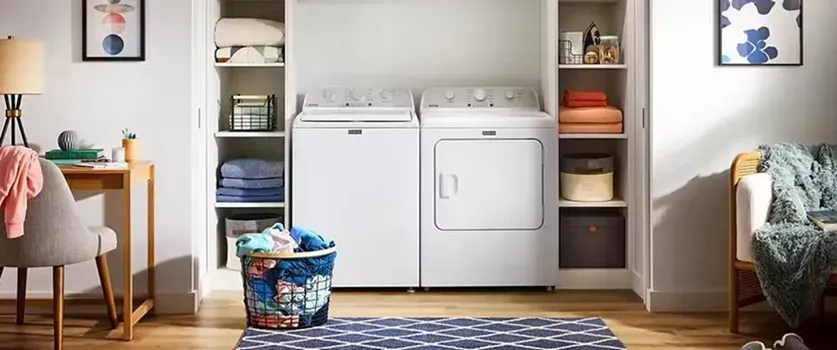
Space plays a major role in choosing the right washer. Front-load washers are typically the better choice for smaller laundry rooms or closets because they can be stacked with a dryer.
Top-load washers require vertical clearance for the lid to open fully, which can be an issue in tight spaces or under cabinets. Measuring your laundry area before shopping is always recommended.
Cost Considerations and Long-Term Value
Top-load washers usually come with a lower initial price, making them appealing for budget-conscious shoppers or rental properties.
Front-load washers often cost more upfront but can offer long-term savings through reduced water and energy usage. Over time, these savings may help offset the higher purchase price, especially for larger households.
Maintenance and Longevity
Both washer types are designed to be durable, but maintenance habits can impact longevity. Front-load washers benefit from regular cleaning of the door gasket and detergent drawer to prevent odors.
Top-load washers generally require less day-to-day maintenance, though agitators and impellers should still be cleaned periodically. Proper care and correct detergent usage go a long way in extending the life of any washer.
Which Washer Is Right for You?
There is no one-size-fits-all answer. The best washer for your home depends on how often you do laundry, the types of clothing you wash, your available space, and your budget.
If you value efficiency, fabric care, and a modern design, a front-load washer may be the best fit. If you prioritize ease of use, faster cycles, and a lower upfront cost, a top-load washer may be the better option.
Explore Washing Machines at McKinney’s Appliance
If you have questions about front-load or top-load washers or want help comparing models, stop by McKinney’s Appliance today at one of our Olympia appliance store locations or reach out to our team. Our appliance experts are here to help you choose a washer that fits your lifestyle and your home.
We also offer appliance financing and rebate opportunities to help you find the right appliances with confidence and security.
Read more in our blog:
Frequently Asked Questions
Are front-load washers harder to maintain?
Front-load washers require some routine care, such as cleaning the gasket and leaving the door open after use, but these steps help prevent odors and keep the washer running efficiently.
Can top-load washers handle bulky items?
Many top-load washers can wash bulky items, but front-load washers and high-capacity impeller models typically handle large comforters and blankets more easily.
Are Front or Top-Load Washers Better?
Neither option is universally better. Front-load washers excel in efficiency, fabric care, and cleaning performance, while top-load washers offer faster cycles, easier loading, and lower upfront costs. The best choice depends on your laundry habits, space, and budget. Visit a McKinney’s Appliance location today to work with our experts to determine which is best for your needs.
Why Are Top-Load Washers Cheaper?
Top-load washers are often less expensive because they use simpler designs, fewer advanced components, and lower manufacturing costs. Traditional agitator models, in particular, tend to cost less than high-efficiency front-load machines.
Related Articles