
How to Clean a Washing Machine
Fri Oct 10 2025
- Maintenance & Cleaning
When you think about cleaning your home, the washing machine might not be the first appliance that comes to mind. After all, its entire job is to clean, right? But like any hardworking appliance, your washer needs routine maintenance to stay fresh, run efficiently, and deliver the spotless laundry you expect. Over time, soap residue, lint, mineral deposits, and even mold can build up inside your machine, leading to musty odors and reduced performance.
In this guide, we’ll walk you through why cleaning your washer matters, how to do it step by step for both top-load and front-load models, what products to use, and how often you should clean it. By the end, you’ll have everything you need to keep your washing machine working like new.
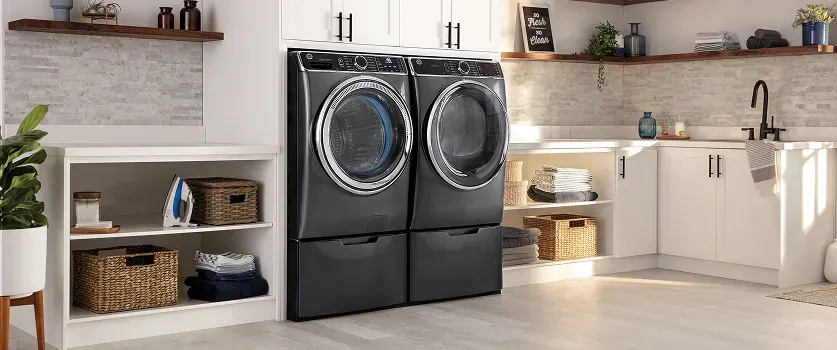
Why Cleaning Your Washing Machine Is Important
It might seem unnecessary to clean an appliance that cleans clothes, but there are several reasons why regular maintenance is essential:
-
Prevents Odors: Moisture and detergent residue create the perfect environment for mold and mildew, especially in front-loaders.
-
Improves Efficiency: A clean washer runs better, using less energy and water.
-
Protects Clothing: Built-up detergent or fabric softener can leave marks or residue on clothes.
-
Extends Lifespan: Regular maintenance reduces wear on components, helping your washer last longer.
-
Keeps Drains Clear: Prevents clogs from lint, detergent, and buildup.
Think of it like dental hygiene. Just as brushing your teeth prevents bigger issues, cleaning your washer prevents costly repairs and ensures better results.
Supplies You’ll Need
Before starting, gather a few basic cleaning supplies:
-
White vinegar or a washer-cleaning solution
-
Baking soda
-
Microfiber cloths or sponges
-
An old toothbrush for scrubbing tight spots
-
A bucket or bowl
-
Warm water
-
Optional: bleach (for stubborn mold/mildew)
How to Clean a Front Load Washing Machine
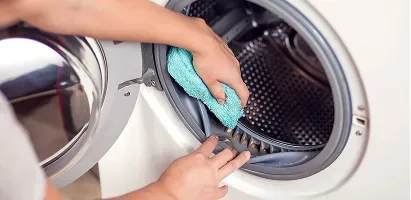
Front load washers are efficient and stylish, but their door gaskets and drum designs make them especially prone to mold and odor buildup. Here’s how to tackle them:
Step 1: Clean the Gasket
-
Mix equal parts vinegar and warm water.
-
Dip your cloth or toothbrush into the solution and scrub the rubber door seal (gasket).
-
Pull back the folds to reach hidden grime or trapped lint.
-
Wipe dry with a clean cloth.
Step 2: Run a Cleaning Cycle
-
Add two cups of white vinegar directly into the detergent dispenser.
-
Run your washer on the hottest, longest cycle available.
-
This dissolves detergent residue, kills bacteria, and removes odors.
Step 3: Add Baking Soda
-
Sprinkle half a cup of baking soda directly into the drum.
-
Run another hot cycle.
-
This neutralizes any lingering odors and removes stains.
Step 4: Clean the Dispensers
-
Remove detergent and fabric softener trays.
-
Soak them in hot, soapy water for 10-15 minutes.
-
Scrub and rinse thoroughly before placing back.
Step 5: Wipe Exterior & Vents
-
Wipe down the door, control panel, and exterior with a damp microfiber cloth.
-
Use the toothbrush for any crevices.
If your front load washer sits on a laundry pedestal, you gain the added benefit of easier access for cleaning. Laundry pedestals not only raise your washer and dryer for more ergonomic use but often include storage for detergents and cleaning supplies, making it convenient to keep all your washing essentials in one place.
How to Clean a Top Load Washing Machine
Top load washers are a little easier to maintain, but they can still collect soap scum, lint, and hard water deposits.
Step 1: Drum Cleaning
-
Fill your washer with the hottest water setting and the largest load capacity.
-
Add four cups of white vinegar and let the cycle agitate for a minute to mix.
-
Stop the cycle and let the solution sit for an hour to break down buildup.
Step 2: Resume Cycle
-
After an hour, resume and complete the wash cycle.
-
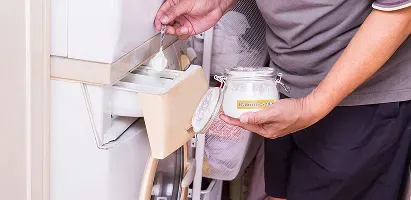
Run a second cycle, this time adding one cup of baking soda, and let it run fully.
Step 3: Clean the Agitator & Rim
-
Dip a cloth in vinegar water and wipe down the agitator, lid, and surrounding rim.
-
Use the toothbrush for any hard-to-reach spots.
Step 4: Exterior Care
-
Finish by wiping down knobs, control panels, and the machine’s exterior.
Cleaning Filters and Drains
Both front-load and top-load washers have filters and drains that should be checked regularly.
-
Lint Filter: Some models have a removable lint trap—check your user manual to locate it. Clean it with warm, soapy water.
-
Drain Pump Filter (front-loaders): This filter catches small debris and should be emptied every few months. Place a towel underneath, open the access panel, and rinse the filter.
-
Hoses: Inspect hoses for clogs, buildup, or wear. Replace if necessary.
How Often Should You Clean Your Washing Machine?
-
Light Use (once or twice weekly): Clean once every 2–3 months.
-
Heavy Use (daily or large households): Clean monthly.
-
Quick Wipe-Downs: Dry the drum and gasket after every load to prevent mildew.
Tips to Keep Your Washer Fresh Longer
-
Always remove clothes promptly after a cycle to avoid musty smells.
-
Leave the washer door slightly open to promote airflow and reduce moisture buildup.
-
Use the right amount of detergent, too much soap causes residue.
-
Consider using high-efficiency (HE) detergent in HE washers.
-
Run an empty hot water cycle once a month with vinegar or a washer cleaner.
When to Call a Professional
If you’ve cleaned your washer thoroughly but still notice odors, leaks, or performance issues, it might be time for a professional service. Persistent mold, strange noises, or water not draining properly may signal a deeper issue that requires repair or part replacement.

Explore Washing Machines and More at McKinney’s
Your washing machine works hard to keep your laundry fresh. Give it the care it deserves. Regular cleaning not only protects your investment but also keeps your clothes looking and smelling their best. At McKinney’s Appliance, our team can help with both maintenance and expert advice on whether it’s time to repair or replace your washer.
Browse our catalog of laundry appliances for the latest washers designed with easy-clean features, energy efficiency, and long-lasting performance. Our knowledgeable team is here to help you find the perfect appliance for your home.
We also offer appliance options from top brands in the industry, with a wide variety of home appliances like refrigerators, dishwashers, washers and dryers, and cooking appliances. Visit McKinney’s Appliance today at one of our Olympia locations to experience in-store demos, expert recommendations, and package pricing.
We also offer financing and rebate opportunities to help you find the right appliances with confidence and security.
FAQs: How to Clean a Washing Machine
How do I know if my washing machine needs cleaning?
Signs include musty odors, visible residue inside the drum, detergent buildup in dispensers, or clothes that don’t smell fresh after washing.
Can I use bleach instead of vinegar?
Yes, bleach can disinfect and kill mold effectively. However, vinegar is a gentler, natural option. Use bleach sparingly and never mix it with vinegar.
What’s the easiest way to prevent odors?
Leave the washer door open between uses, remove wet clothes promptly, and wipe down the gasket regularly.
Do I need special cleaning tablets?
Not necessarily. Vinegar and baking soda are affordable and effective, though store-bought tablets can be convenient.
How long does it take to clean a washing machine?
A full deep-clean typically takes 1-2 hours, depending on cycle length and how dirty the machine is.
Related Articles