
Slide-In vs Freestanding Ranges: What’s the Difference for Olympia Homeowners?
Mon Apr 13 2026
- Appliance Comparisons
- Kitchen Appliances
When upgrading your kitchen, choosing the right range is one of the most important decisions you’ll make. Many homeowners find themselves comparing slide in vs freestanding range models to determine which fits their space, cooking style, and design goals.
While both options combine a cooktop and oven into one appliance, their design, installation, and overall appearance differ significantly. Understanding the differences, along with the slide in range pros and cons, can help you confidently select the best option for your kitchen.
Key Takeaways: Slide-In vs Freestanding Range for Olympia Homeowners
-
Freestanding ranges are more flexible and budget-friendly, making them ideal for most kitchens
-
Slide-in ranges offer a built-in, seamless look that enhances kitchen design
-
Slide-in models typically require more precise installation and cabinetry alignment
-
Freestanding ranges are easier to replace and install in existing spaces
-
Your choice depends on your kitchen layout, budget, and design preferences
In our Olympia showroom, the most common reason customers switch from freestanding to slide-in is a kitchen remodel. If you're exploring options, browse McKinney’s full range selection and cooking appliances to compare models.
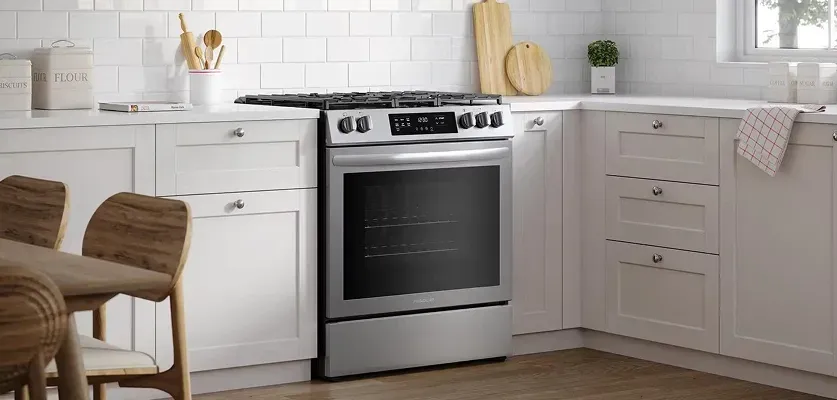
What Is a Slide-In Range?
A slide-in range is designed to “slide” between cabinets for a more integrated, built-in appearance. Unlike freestanding models, slide-in ranges typically have front-mounted controls and no backguard.
Key Features of Slide-In Ranges
-
Front control panel for a sleek look
-
No backguard, allowing for a seamless backsplash
-
Designed to fit flush with countertops
-
Often paired with custom cabinetry
Slide-in ranges are commonly used in modern kitchen designs where aesthetics and clean lines are a priority.
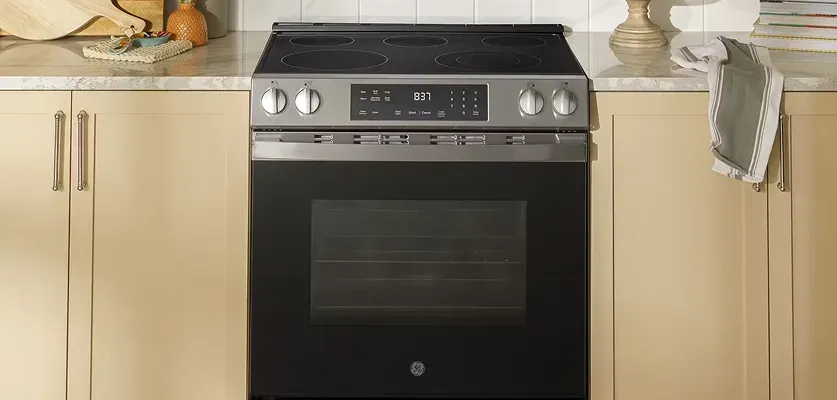
What Is a Freestanding Range?
A freestanding range is the most common type of range found in homes. It features finished sides and a backguard (control panel on the back), allowing it to be installed anywhere in the kitchen, between cabinets or as a standalone unit.
Key Features of Freestanding Ranges
-
Back-mounted control panel
-
Finished sides for flexible placement
-
Typically more affordable
-
Easy installation and replacement
Freestanding ranges are designed for versatility, making them a popular choice for both new homes and kitchen upgrades.
Slide-In vs Freestanding Range: Key Differences
Understanding the slide in vs freestanding range comparison comes down to design, installation, and usability.
Design and Appearance
-
Slide-in ranges offer a more built-in, custom look that blends seamlessly with countertops and cabinets.
-
Freestanding ranges have a more traditional appearance with a visible backguard.
If aesthetics are important, slide-in ranges typically provide a more upscale look.
Installation and Fit
-
Freestanding ranges are easier to install and can fit in a wider range of spaces without modifications.
-
Slide-in ranges require more precise measurements and may need countertop adjustments or filler kits for proper installation.
Freestanding ranges are more forgiving, while slide-in models require careful planning.
Control Placement
-
Slide-in ranges feature front-mounted controls, making them easier to access and contributing to a streamlined design.
-
Freestanding ranges typically have controls on the backguard, which may be less convenient for some users.
Front controls provide a cleaner look and easier access, especially in modern kitchens.
Cleaning and Maintenance
-
Slide-in ranges are designed to sit flush with countertops, reducing gaps where food and debris can fall.
-
Freestanding ranges may have small gaps between the appliance and cabinets, which can require more frequent cleaning.
Slide-in models are often easier to keep clean in everyday use.
Slide-In Range Pros and Cons
To make the decision easier, here’s a breakdown of the main slide-in range pros and cons.
Pros of Slide-In Ranges
-
Sleek, built-in appearance
-
Front controls for easy access
-
Better integration with countertops
-
Fewer gaps for spills and debris
Cons of Slide-In Ranges
-
Typically higher cost
-
More complex installation
-
May require cabinetry adjustments
-
Limited placement flexibility
Pros and Cons of Freestanding Ranges
Freestanding ranges also offer their own advantages and drawbacks.
Pros of Freestanding Ranges
-
More affordable price range
-
Easy installation and replacement
-
Flexible placement in any kitchen layout
-
Wide variety of models and features
Cons of Freestanding Ranges
-
Less seamless appearance
-
Backguard may interrupt backsplash design
-
Potential gaps between appliance and cabinets
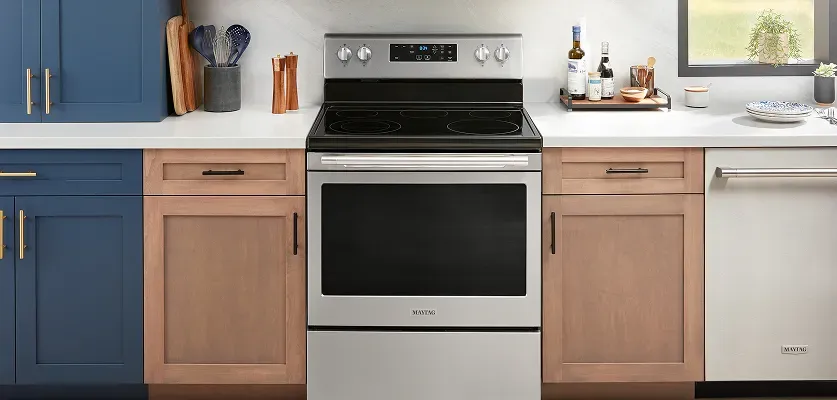
Which Range Is Best for Your Olympia, WA Kitchen?
Choosing between a slide-in and freestanding range depends on your kitchen goals and how you use the space.
Choose a Slide-In Range If:
-
You want a modern, built-in kitchen look
-
You’re remodeling or designing a new kitchen
-
You prefer front controls and easy access
-
You want a cleaner, more integrated appearance
Choose a Freestanding Range If:
-
You want a budget-friendly option
-
You need a simple replacement for an existing range
-
You prefer flexible installation options
-
You don’t want to modify cabinets or countertops
How Range Type Impacts Kitchen Design
Your choice between slide-in and freestanding ranges can influence your entire kitchen layout.
Slide-in ranges work best in:
-
Custom kitchen remodels
-
Open-concept kitchens
-
Spaces with continuous countertops and backsplashes
Freestanding ranges are ideal for:
-
Quick appliance replacements
-
Rental properties
-
Budget-conscious kitchen upgrades
Pairing your range with other appliances like cooktops or wall ovens can also help create a cohesive kitchen design.
Final Thoughts: Slide-In vs Freestanding Range
When comparing slide in vs freestanding range options, there’s no one-size-fits-all answer. Each type offers unique benefits depending on your kitchen layout, budget, and design goals.
Slide-in ranges are ideal for homeowners who want a sleek, built-in look and are planning a kitchen remodel. Freestanding ranges remain a practical and affordable option for those who prioritize flexibility and ease of installation.
If you’re still unsure which range is right for you, the experts at McKinney’s Appliance can help you explore options and find the perfect fit for your home.
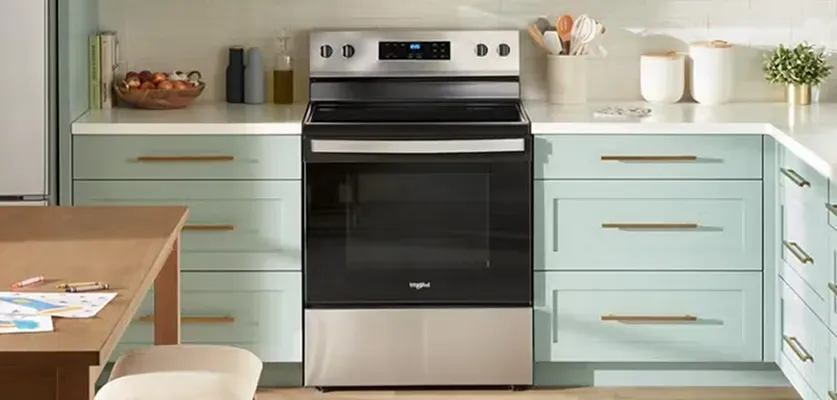
Shop Slide-In and Freestanding Ranges at McKinney’s Appliance
Ready to upgrade your kitchen? Browse McKinney’s wide selection of ranges and cooking appliances to find the right model for your needs. Our team can help you compare features, sizes, and styles to make your decision easier.
Visit McKinney’s Appliance today at one of our Olympia appliance store locations to compare slide-in and freestanding ranges in person, or call us to compare models. Explore our appliance financing and rebates options to help you find the right home appliances with confidence.
Related readings from our blog:
FAQs: Slide-In vs Freestanding Ranges: What’s the Difference?
What is the difference between a slide-in and freestanding range?
A slide-in range fits flush with cabinets and has front controls, while a freestanding range has a backguard and can be installed more flexibly. This difference impacts both the overall kitchen appearance and how the appliance integrates with surrounding countertops.
Are slide-in ranges worth the extra cost?
Slide-in ranges are worth it for homeowners who want a built-in look and improved kitchen aesthetics, especially during a remodel. They can also add a more premium feel to the space, which may be beneficial for long-term home value.
Can you replace a freestanding range with a slide-in range?
Yes, but it may require adjustments to cabinetry or countertops to ensure a proper fit. Measuring carefully and consulting with an appliance expert can help avoid installation issues.
Which range type is easier to install?
Freestanding ranges are easier to install because they don’t require precise measurements or modifications. This makes them a more convenient option for quick replacements or budget-friendly upgrades.
Related Articles