
What Is an Induction Cooktop?
Mon Feb 16 2026
If you’re shopping for a new cooktop or planning a kitchen upgrade, you may be wondering: What is induction cooking, and how is it different from gas or electric? Induction cooktops have grown rapidly in popularity thanks to their speed, efficiency, and modern design, but they also come with unique considerations.
This guide explains how induction cooktops work, outlines key induction cooktop benefits, and compares induction vs gas and electric options to help you decide if induction is right for your kitchen.
What Is Induction Cooking?
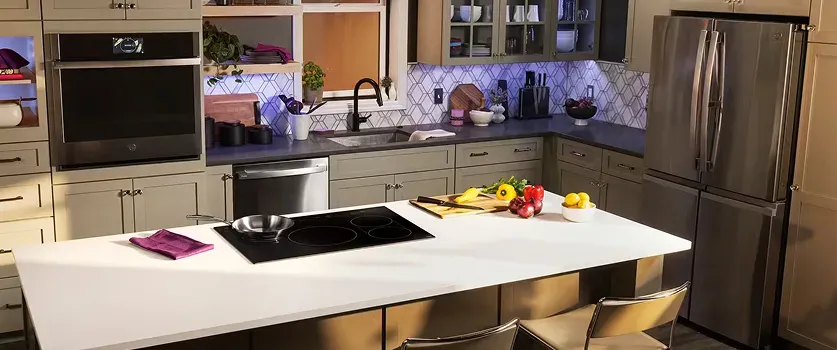
Induction cooktops use electromagnetic energy to heat cookware directly, rather than heating the cooktop surface itself. When compatible cookware is placed on an induction burner, a magnetic field creates heat inside the pan almost instantly.
Unlike gas flames or electric heating elements, induction cooktops stay relatively cool to the touch. The heat is generated only where the cookware makes contact, offering precise control and improved efficiency.
How Do Induction Cooktops Work?
Under the smooth glass surface of an induction cooktop are copper coils. When the cooktop is turned on, electricity flows through these coils, creating a magnetic field.
Here’s what happens next:
-
Compatible cookware is placed on the surface
-
The magnetic field interacts with the pan
-
Heat is generated directly in the cookware
-
Food cooks quickly and evenly
Because the cookware itself becomes the heat source, energy loss is minimized compared to traditional cooking methods.
Induction Cooktop Benefits
One of the biggest reasons homeowners are switching to induction is the long list of practical benefits.
Faster Cooking Times
Induction cooktops heat faster than gas or electric. Water can boil in a fraction of the time, making induction ideal for busy households.
Precise Temperature Control
Adjustments are immediate. Lower the heat, and the temperature drops instantly—similar to gas, but without an open flame.
Energy Efficiency
Since heat is transferred directly to the cookware, induction cooking wastes less energy. This can lead to lower energy use compared to traditional electric cooktops.
Improved Safety
-
No open flame
-
Surface cools quickly
-
Automatic shutoff when cookware is removed
These features make induction a popular option for families with children or pets.
Easy Cleaning
Spills are less likely to burn onto the surface. A quick wipe is often all that’s needed to clean an induction cooktop.
Induction vs Gas: How Do They Compare?
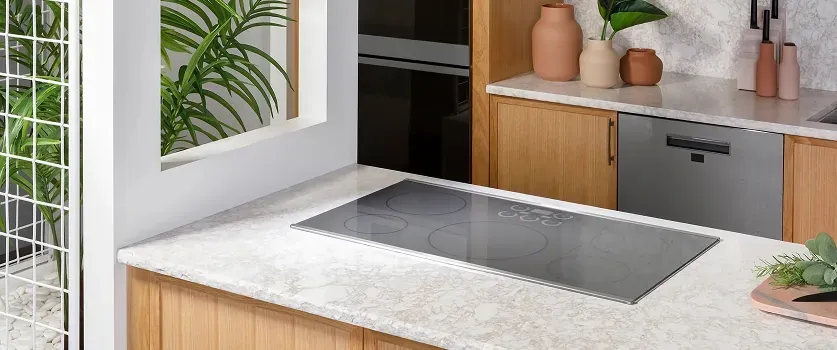
One of the most common questions homeowners ask when upgrading their kitchen is how induction vs gas cooking compares in real-world use. While both options are popular and capable, they differ significantly in performance, efficiency, safety, and overall cooking experience.
Understanding these differences can help you choose the cooktop that best fits your cooking style, kitchen setup, and long-term needs.
Heat Control and Responsiveness
Both induction and gas cooktops are known for responsive heat control, but they achieve it in different ways.
-
Gas cooktops allow you to adjust heat instantly by increasing or decreasing the flame. Many cooks appreciate the visual feedback of seeing the flame size change, which can make temperature adjustments feel intuitive.
-
Induction cooktops respond just as quickly, if not faster, using digital controls. When you lower the power level, the cookware temperature drops almost immediately because heat is generated directly in the pan.
For cooks who value precision, induction offers consistent, repeatable temperature control without relying on flame size or ambient conditions.
Cooking Speed and Performance
When it comes to speed, induction cooktops often have the edge.
-
Gas cooktops heat cookware quickly, especially with high-BTU burners, but some heat is lost to the surrounding air.
-
Induction cooktops transfer energy directly to the cookware, allowing for faster boil times and quicker heat-up overall.
This makes induction particularly appealing for busy households, meal prep, or recipes that require rapid temperature changes.
Energy Use and Heat Loss
Energy efficiency is one of the most significant differences between induction and gas.
-
Gas cooking loses a portion of heat around the pan and into the kitchen, which can increase indoor heat levels and energy use.
-
Induction cooking minimizes heat loss because only the cookware is heated, not the surrounding surface or air.
As a result, induction cooktops often use less energy overall, making them an attractive option for homeowners focused on efficiency and sustainability.
Safety Considerations
Safety is another key area where induction and gas differ.
-
Gas cooktops involve open flames and hot grates, which can pose risks if a burner is left on or if flammable items are nearby.
-
Induction cooktops remain cooler to the touch, and many models include automatic shutoff features that activate when cookware is removed.
These built-in safety advantages make induction a popular choice for families with children, pets, or anyone seeking a lower-risk cooking environment.
While gas remains a favorite for traditionalists, induction appeals to cooks seeking efficiency, safety, and modern performance.
You can compare available options in gas cooktops at McKinney’s Appliance today and see which unit better fits your home needs and budget.
Induction vs Traditional Electric Cooktops
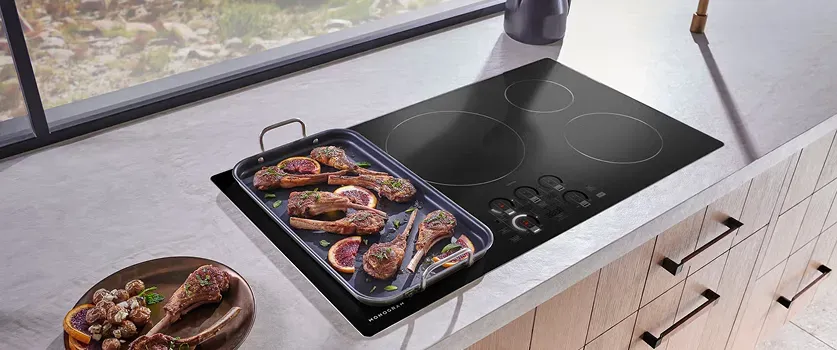
Electric cooktops use radiant heating elements beneath a glass or coil surface. While reliable, they don’t match induction’s responsiveness.
Key differences include:
-
Induction heats faster and cools down quicker
-
Electric cooktops retain residual heat longer
-
Induction offers greater energy efficiency
For cooks who value precision and speed, induction often outperforms standard electric models. Shop a wide selection of electric cooktops at McKinney’s Appliance to compare across cooktop configurations and styles to discover the right one for you.
What Cookware Works with Induction Cooking?
Not all cookware is compatible with induction cooktops.
Induction-Compatible Materials
-
Cast iron
-
Magnetic stainless steel
-
Some enameled steel
Non-Compatible Materials
-
Aluminum (unless induction-ready)
-
Copper
-
Glass
A simple test you can try out: if a magnet sticks to the bottom of the pan, it will likely work on an induction cooktop.
Installation and Electrical Requirements
Induction cooktops typically require a 240-volt electrical connection, similar to electric cooktops. Homes without adequate electrical capacity may need upgrades.
Before purchasing, it’s important to:
-
Confirm electrical requirements
-
Measure cutout dimensions
-
Ensure proper ventilation
McKinney’s Appliance experts can help assess installation needs before you buy.
Is an Induction Cooktop Right for Your Kitchen?
Induction cooktops are a great fit for:
-
Homeowners seeking energy efficiency
-
Busy households needing faster cooking
-
Modern kitchens with sleek design goals
-
Families prioritizing safety
However, they may not be ideal for those who prefer traditional cookware or want visible flames.
Design and Aesthetic Benefits
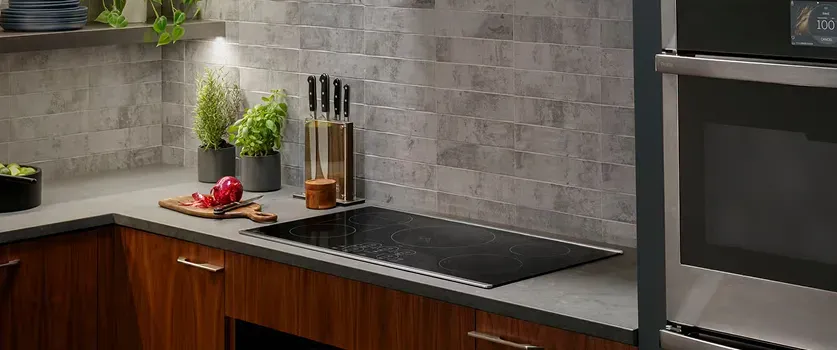
Induction cooktops offer a clean, minimalist look with a smooth glass surface. Many models include:
-
Touch controls
-
Flexible cooking zones
-
Sleek, low-profile designs
These features blend seamlessly into modern kitchens and pair well with contemporary cabinetry.
Explore Induction Cooking at McKinney’s Appliance
If you’re curious about induction cooking or ready to upgrade your kitchen, McKinney’s Appliance can help you compare models, understand installation needs, and choose the right cooktop for your home.
Browse our full selection of cooktops or explore all cooking appliances to get started, and experience personalized expert service from our team of appliance professionals who can help you find the appliance solutions that work for you. Visit McKinney’s Appliance today at one of our Olympia appliance stores to discover home appliances that elevate your home living space.
We also offer appliance financing and appliance rebate opportunities to help you find the right appliances with confidence and security.
Related readings from our blog:
FAQs: What Is an Induction Cooktop?
What is induction cooking best used for?
Induction cooking is ideal for fast boiling, precise simmering, and energy-efficient everyday cooking.
Is induction better than gas?
Induction offers faster heating and improved efficiency, while gas provides traditional flame-based cooking. The best choice depends on preference and kitchen setup.
Do induction cooktops use a lot of electricity?
They use electricity efficiently by heating cookware directly, often using less energy overall than traditional electric cooktops.
Can I use my existing cookware on induction?
Only cookware with magnetic properties will work. Many newer sets are induction-compatible.
Can McKinney’s Appliance help me choose an induction cooktop?
Yes. McKinney’s Appliance specialists can guide you through selection, sizing, and installation.